

1. New Name, New Meaning
The title Bauzeichner will be replaced by Structural Engineering Designer.
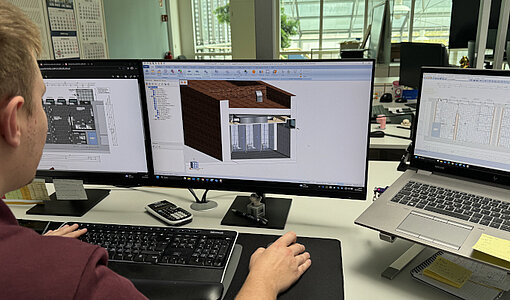
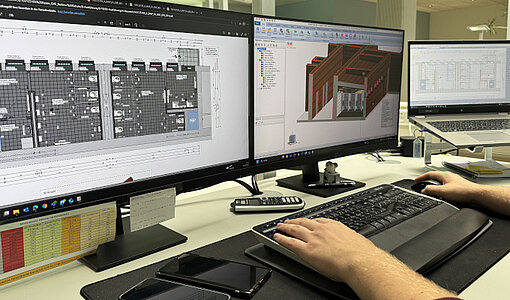
This reflects how much the profession has evolved: it now goes far beyond traditional technical drawing. Today’s work involves model-based planning, data management and technical design – a modern role in the era of digital construction.
2. Three Specializations for Greater Focus
The new training structure introduces three specializations:
- Architecture
- Structural Engineering
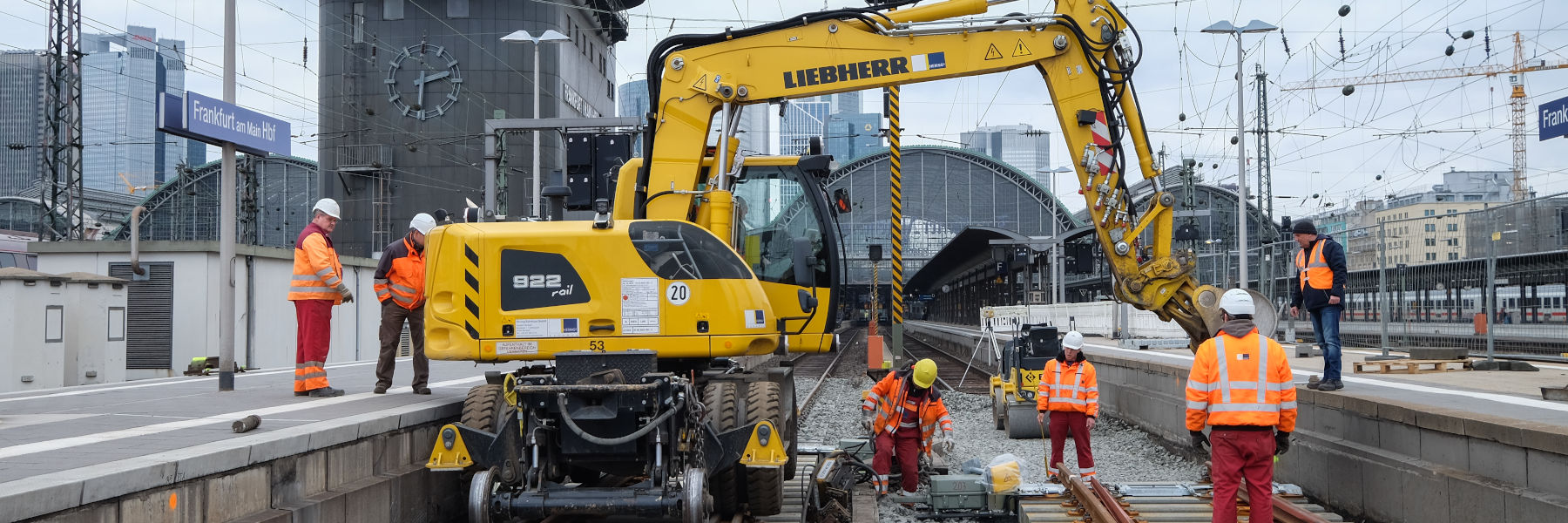
- Civil, Transportation and Landscape Engineering
This differentiation makes it clearer which field trainees will later work in and what specific competencies they will acquire.
3. Digitalization, BIM and Data Exchange
The updated regulation highlights the growing importance of Building Information Modeling (BIM).
Coordinating between various stakeholders requires strong skills in communication, data processing and digital modeling.
Digital tools, cross-disciplinary collaboration and efficient data exchange are now key elements of the training.
4. Sustainability and Circular Construction
For the first time, circular construction principles become an integral part of the training.
Future Structural Engineering Designers will learn to consider sustainability, material selection and reusability from the very beginning of the planning process.
Expertise from HERING: Practice Meets Policy
A special contribution to this reform came from within our own ranks: Tobias Bienhaus, Head of the Technical Design Office at HERING Sanikonzept GmbH, was part of the national working group developing the new regulation. He explains:
“After around 20 years, a fundamental update was long overdue. The profession has completely modernized – from the drawing board to 3D modeling. This reflects today’s planning reality and opens up new opportunities. Companies can now grow together with their trainees on the path to digital transformation. This reform gives the profession new value and makes it fit for the future.”
His involvement underlines that this reform is not a theoretical exercise – it’s closely connected to the real-world challenges we face every day at HERING.
Conclusion & Outlook
With this modernization, the profession is ready for the digital age:
More technology. More sustainability. More future.
We are proud to have played an active role in shaping this transformation and look forward to guiding the next generation of Structural Engineering Designers on their professional journey.